
Raising funds is one of the most crucial steps in transforming a vision into reality. Whether you are launching a startup, expanding an existing business, or running a nonprofit organization, funding fuels business development. It helps you build infrastructure, hire talent, and execute growth strategies that lead to long-term success.
But in today’s competitive and digital-first economy, the question isn’t just how to raise money—it’s how to attract the right kind of funding that aligns with your goals. This article explores every major fundraising path, from business loans to angel investors, crowdfunding campaigns, and fintech startup capital.
How Can We Raise Funds?
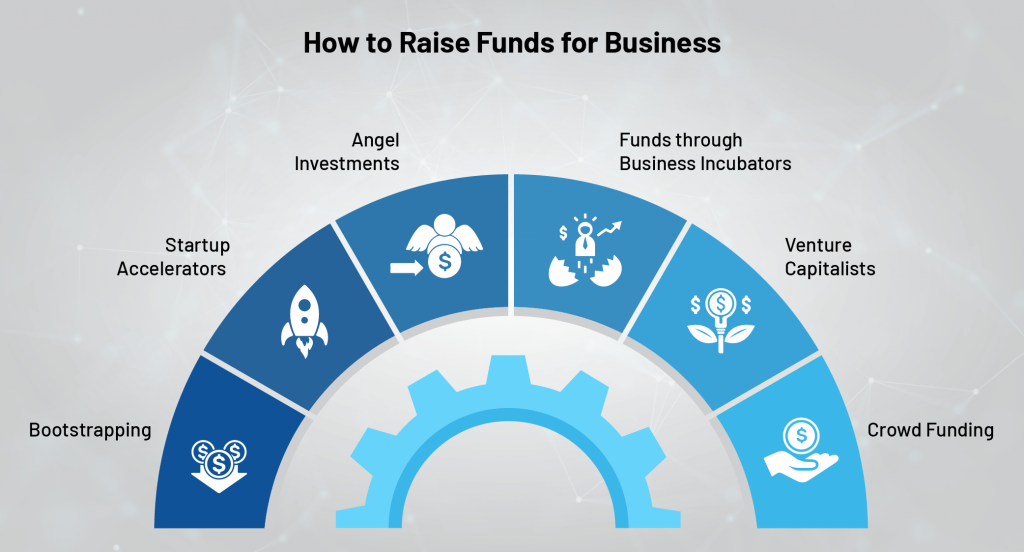
Fundraising is more than a financial transaction—it’s a strategic partnership between those who believe in your idea and those capable of supporting it.
There are three main funding categories:
- Equity Funding – You sell ownership (shares) of your business in exchange for investment.
- Debt Funding – You borrow capital (like loans or bonds) and repay it over time with interest.
- Donations or Grants – Non-repayable contributions, usually for nonprofits or public causes.
Each method carries distinct advantages:
- Equity funding accelerates growth but dilutes ownership.
- Debt funding offers independence but adds repayment pressure.
- Donations sustain impact-driven missions without financial return expectations.
The best approach depends on your goals, timeline, and business maturity level.
How to Raise Funds for Business
Raising funds for a business is a strategic process closely tied to business development goals. The objective isn’t just to secure money—it’s to secure smart money that accelerates market entry, innovation, and profitability.
1. Bootstrapping (Self-Funding)
Bootstrapping means using your personal savings or reinvesting profits to fuel growth. This is ideal for early-stage businesses with low operational costs and founders who want full ownership. It also signals investor confidence later—showing commitment and financial discipline.
2. Bank Loans
Traditional bank loans remain one of the most common funding options. They’re best suited for established businesses with a proven model and stable revenue. A detailed business development plan and solid financial forecast increase your approval chances.
3. Angel Investors
Angel investors are high-net-worth individuals who invest in startups at early stages in exchange for equity. Beyond funding, they provide mentorship, market insights, and valuable networks that accelerate business growth.
4. Venture Capital (VC)
Venture capital firms invest large sums into scalable businesses with high growth potential. They usually come in at Series A or later stages and expect significant ROI. This option aligns perfectly with ambitious business development strategies aiming for market dominance.
5. Strategic Partnerships
Partnering with complementary businesses can unlock shared funding, resources, and new markets. Strategic alliances also attract investors by proving that your business model supports collaboration and expansion.
6. Crowdfunding
Platforms like Kickstarter, Indiegogo, or SeedInvest allow entrepreneurs to raise funds from a broad audience. This method validates your idea publicly and builds a loyal customer base before launch.
Choose funding sources that not only provide cash but also strengthen your brand credibility and customer network.
How to Raise Funds for a Nonprofit Organization

Nonprofits rely on continuous funding to sustain operations and deliver impact. However, effective fundraising for nonprofits requires a mix of empathy-driven storytelling and structured business strategy.
1. Grants and Foundations
Apply for grants from local or international institutions that support causes related to your mission. A well-written grant proposal showcasing measurable outcomes increases your success rate.
2. Corporate Sponsorships
Collaborate with businesses that share similar values. Many corporations allocate CSR (Corporate Social Responsibility) budgets to partner with nonprofits on social initiatives.
3. Individual Donations
Engage individuals through online donation portals, newsletters, and transparent impact reports. Personalized donor communication enhances trust and recurring support.
4. Fundraising Events
Host events—such as charity galas, auctions, or community challenges—to engage local supporters and raise awareness.
5. Online Campaigns
Use digital marketing, social media, and storytelling videos to reach global audiences. Platforms like GoFundMe or Facebook Fundraisers can multiply your reach in days.
Business Development Insight:
Think of your donors as long-term partners. Create engagement programs, recognition tiers, and data-driven impact reports—just like a company builds customer retention.
How to Raise Funds for Charity

Charity fundraising thrives on emotional connection and transparency. To raise funds effectively:
- Tell Stories That Inspire Action:
Show real people and tangible outcomes instead of statistics alone. - Build Monthly Giving Programs:
Subscriptions ensure sustainable income and long-term donor relationships. - Collaborate With Influencers:
Partner with social media creators who align with your cause to reach new audiences. - Leverage Digital Tools:
Use automation, CRM platforms, and donation management systems to streamline operations. - Offer Accountability Reports:
Show how every donation is used—investors and donors alike value trust and clarity.
A charity’s credibility and consistency directly influence donor retention—similar to how customer trust fuels business development.
How to Raise Funds for a Company
As your business matures, funding needs shift from survival to strategic expansion. Established companies have access to more advanced financial instruments:
- Private Equity Firms:
They invest heavily in exchange for significant ownership, helping businesses expand through acquisitions or restructuring. - Corporate Bonds:
Companies issue bonds to investors, promising fixed interest returns. It’s ideal for organizations with proven cash flow. - Joint Ventures:
Partner with other companies to enter new markets, share expenses, and reduce risk. - IPO (Initial Public Offering):
When your company goes public, it raises substantial capital by selling shares to the public, fueling large-scale business development projects. - Mergers and Acquisitions:
Acquire smaller competitors to accelerate market reach—a business development tactic funded by institutional investors or retained earnings.
Strategy Tip: Align your company’s fundraising roadmap with your growth KPIs—every investment should directly contribute to expansion, innovation, or efficiency.
How Do People Raise Funds Before They Have Customers for Their Startup?
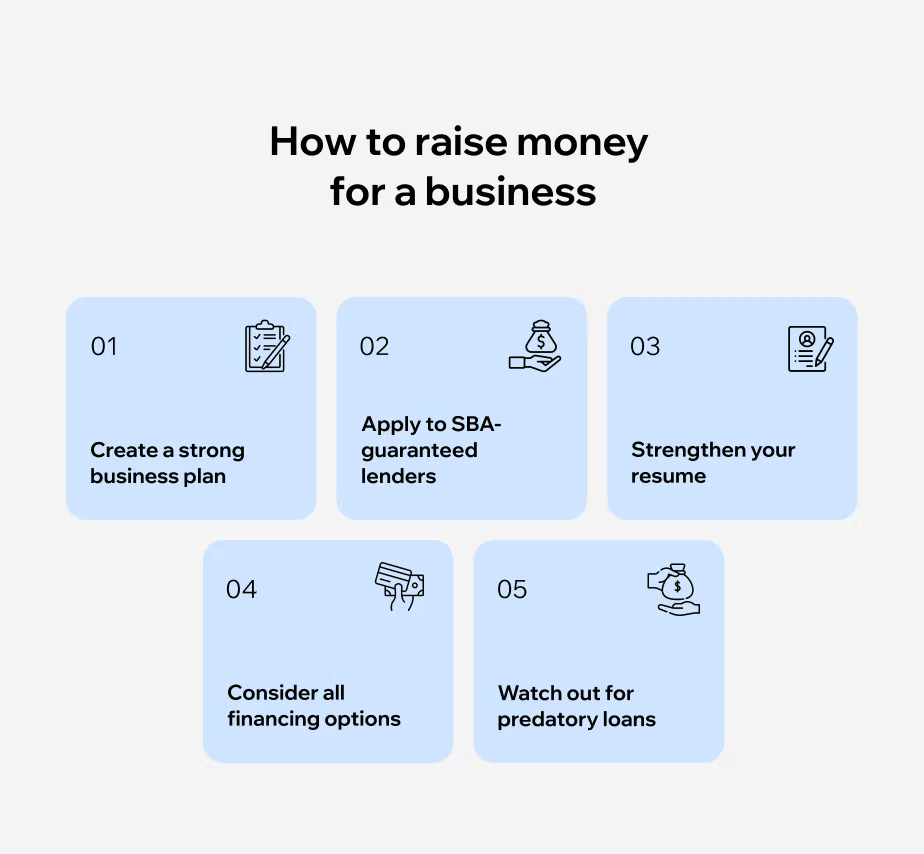
Early-stage startups often need funding before generating revenue. The secret lies in vision clarity, proof of concept, and trust-building.
Key Steps:
- Develop a Strong Business Plan:
Highlight market gaps, customer personas, and realistic financial projections. - Build an MVP (Minimum Viable Product):
Showcase a prototype or beta version to demonstrate product-market fit. - Leverage Incubators and Accelerators:
Programs like Y Combinator or Techstars provide initial capital and mentorship. - Seek Angel Investors or Pre-Seed VCs:
Focus on investors comfortable with early-stage risks. - Show Team Expertise:
A capable founding team can raise funds even without existing customers.
Business Development Link:
At this stage, fundraising isn’t just about capital—it’s about securing advisors, partners, and networks that accelerate product validation.
What’s the Best Way to Raise Funds?
There’s no universal “best” method. The optimal approach depends on your industry, maturity, and risk tolerance.
| Business Stage | Recommended Funding | Goal |
| Idea Stage | Bootstrapping / Friends & Family | Build proof of concept |
| Early Growth | Crowdfunding / Angel Investors | Validate and scale |
| Expansion | Venture Capital / Private Equity | Grow market share |
| Mature Company | Bonds / IPO / Joint Ventures | Diversify and dominate |
A strategic business development mindset ensures that every dollar raised contributes directly to scalable and sustainable growth.
How Do People Start Fintech Companies as a Startup — Especially With the Huge Regulatory Landscape to Navigate?
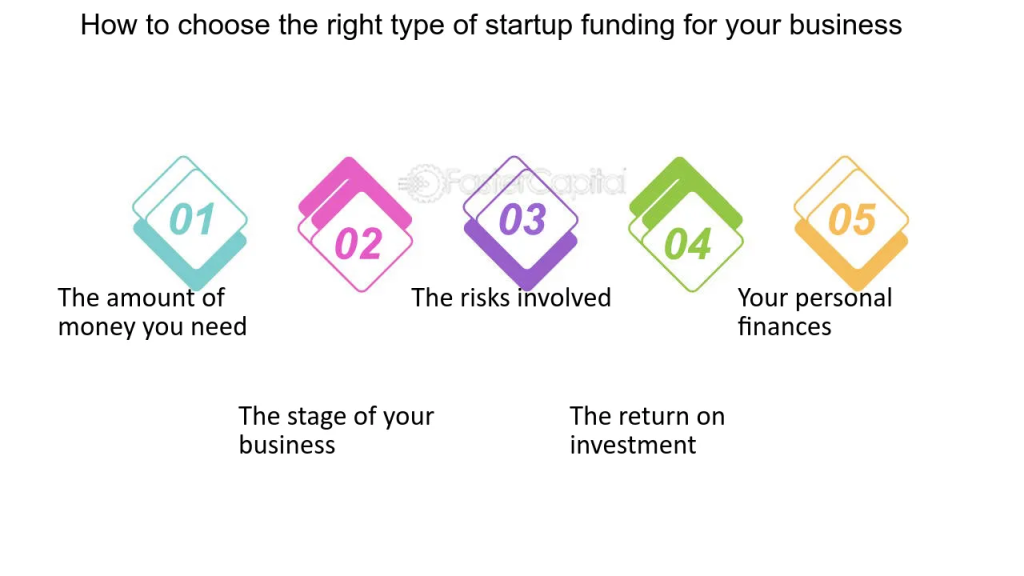
Launching a fintech startup is exciting—but complex due to compliance requirements. Investors are cautious, so trust and regulatory readiness become your greatest assets.
Steps to Raise Funds for Fintech:
- Understand Licensing Requirements:
Each country has specific laws (e.g., PSD2 in the EU, FinCEN in the U.S.). - Consult Legal Experts:
Demonstrate compliance to earn investor trust. - Use Regulatory Sandboxes:
Many countries offer controlled environments for fintech innovation. - Highlight Security and Data Protection:
Investors prioritize risk management and cybersecurity. - Target Fintech-Specific Investors:
Funds like Ribbit Capital, Accel, or Andreessen Horowitz specialize in fintech. - Develop Partnerships with Banks or Payment Processors:
They enhance credibility and infrastructure.
Business Development Focus:
In fintech, growth relies on partnerships, compliance, and user trust—core pillars of sustainable business development.
How Do Some Startups Raise Tens of Millions With No Revenue or Product, but Others Can’t?
It’s a mix of timing, credibility, and perception.
Startups that raise massive funds early often have:
- Founders with proven success in previous ventures.
- Strong storytelling and branding that convince investors of potential.
- Access to exclusive VC networks.
- A disruptive idea that fits into a trending market (e.g., AI, green tech).
Meanwhile, other startups struggle due to unclear differentiation, weak leadership teams, or lack of investor visibility.
Lesson:
Fundraising success often depends more on strategic business development positioning than on the product itself.
How Can I Raise Funds Online for a Startup Business?
Online fundraising is now an essential part of modern business development. It’s fast, scalable, and global.
1. Crowdfunding Platforms
Sites like Kickstarter, GoFundMe, and Indiegogo enable you to present your project directly to potential supporters.
2. Equity Crowdfunding
Platforms such as SeedInvest, StartEngine, or Crowdcube let you raise money in exchange for small shares of ownership.
3. Investor Outreach on LinkedIn
Publish updates, build a professional profile, and network with angel investors through thought leadership content.
4. Digital Marketing Campaigns
Leverage paid ads, email newsletters, and landing pages to drive traffic to your funding campaign.
5. Online Accelerators
Join remote programs that provide investment, mentorship, and exposure to global investors.
Pro Tip:
Your online presence equals credibility. A well-designed website, active LinkedIn profile, and transparent updates can make or break your fundraising success.
What Are the 10 Funding Options to Raise Startup Capital for Business?
Here’s a comprehensive list of the most effective ways to fund your startup:
- Bootstrapping
- Friends and Family
- Angel Investors
- Venture Capital
- Crowdfunding
- Government Grants
- Business Loans
- Revenue-Based Financing
- Incubators and Accelerators
- Strategic Partnerships
Business Development Note:
Each funding type should fit into your broader growth strategy. For instance, VCs accelerate scaling, while grants preserve independence.
Conclusion
Raising funds isn’t just about securing capital—it’s about creating strategic value. Every funding source represents a partnership, a network, and an opportunity to drive long-term business development.
Whether you’re building a fintech startup, expanding a global company, or managing a nonprofit, success depends on three key principles:
- Clarity – Define your goals and audience.
- Credibility – Show proven results or potential.
- Connection – Build relationships that last beyond the funding round.
When you approach fundraising as part of your business development strategy—not as a one-time transaction—you don’t just raise money. You raise your company’s potential for impact, growth, and leadership in its industry.
Visit Bsnswheel.com today to explore how we can accelerate your growth and turn your business vision into reality.
FAQs
1. What is the fastest way to raise funds for a business?
Crowdfunding or short-term loans are often the quickest.
2. Can I raise funds without a product?
Yes, if you have a strong concept, clear market demand, and capable team.
3. How do I attract investors online?
By maintaining a professional online presence, publishing updates, and sharing data-driven results.
4. What’s the safest funding option for startups?
Bootstrapping or revenue-based financing, as they reduce ownership dilution.
5. How does business development influence fundraising success?
A solid business development strategy shows investors your ability to scale and sustain growth, which directly increases funding confidence.